Equipment guides: data, security and repairs
The radio modem is put where it is necessary to collect data from objects that cannot be reached by the cable, and cellular communication is either unstable or not at all. We understand what determines the result and what to look at when selecting.
AI for reports and technical documents
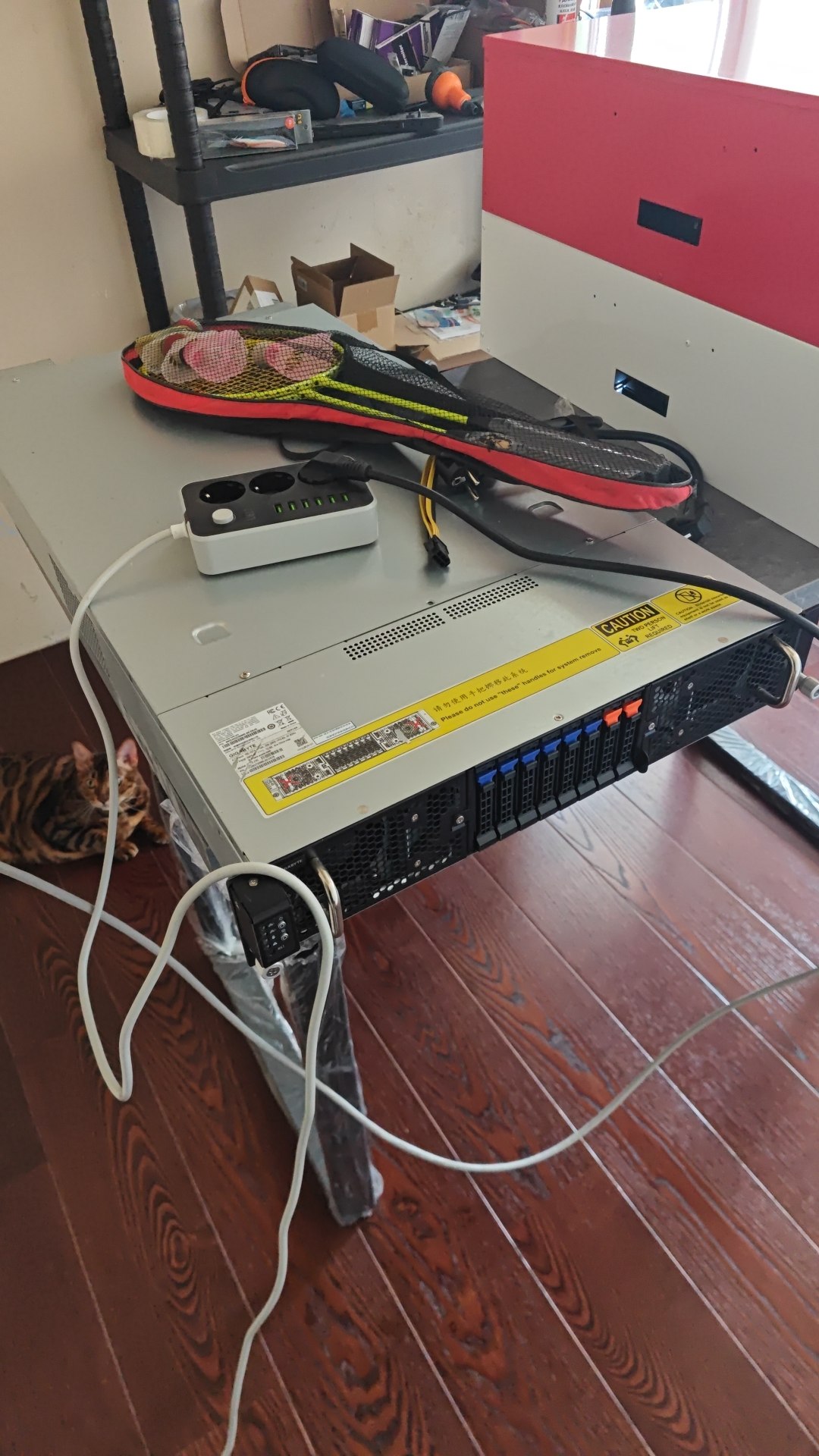
Local AI to explain the report: reproducible calculations, data omissions, selected period and references to the initial unloading.
Open the technical guideHow to find the necessary passport data: save the original value, unit, device configuration and document page without fictitious parameters.
Open the technical guideSatellite communications: equipment and kit
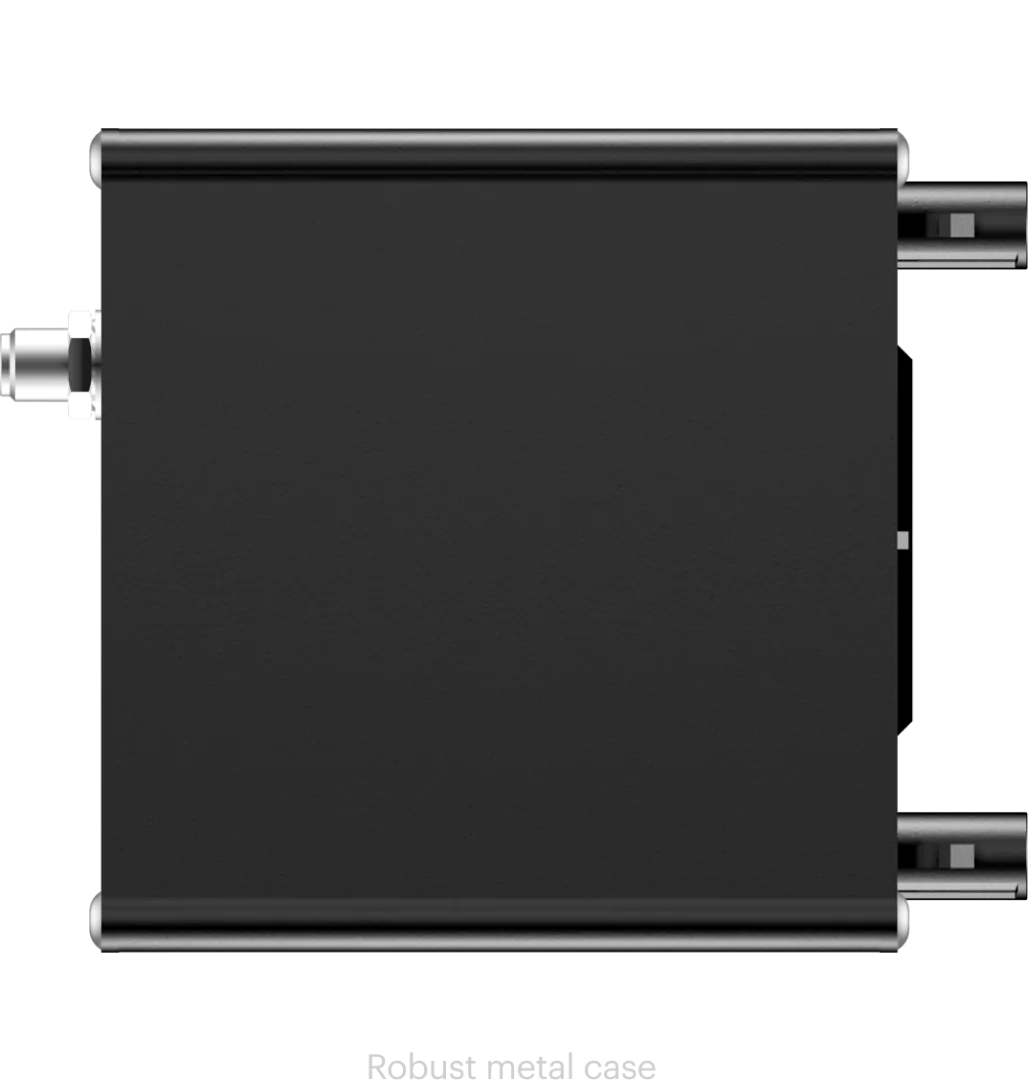
Receiving system and data format: composition, connection conditions and equipment purchase.
Request a quoteEquipment from availability: repair site, security and cellular communication
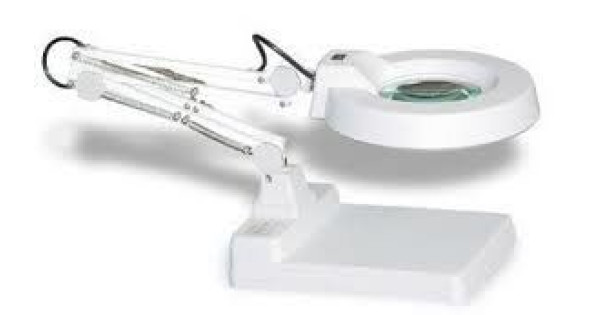
Quick228 BF*3 on the repair table: backlight, work area under the lens, board position and space for the soldering station.
Request the PC on Quick228 BF*3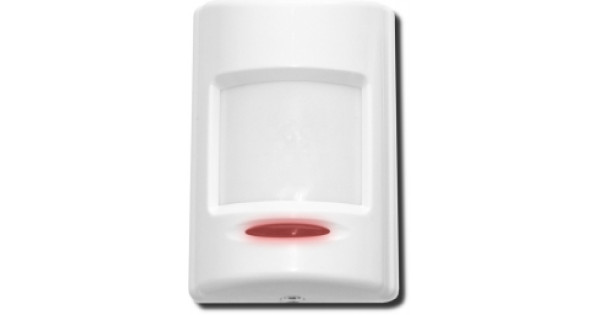
COLT PI for the room: the role of the detector in the wired system, PET conditions, the location of the furniture and coordination with the receiver.
Request KP for COLT PI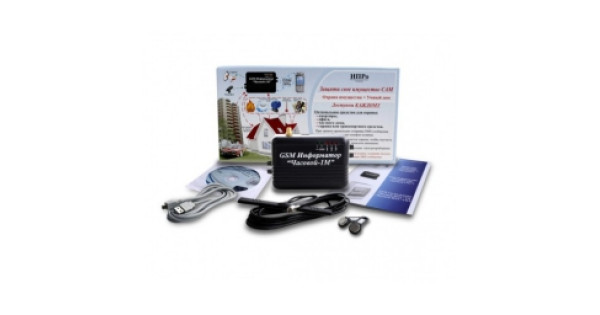
Chasovoy-1M for wired sensors: different from 1MT, BOX and 3×4, power supply, alert list and SMS check on your facility.
Request the KP on the Chasovoy-1M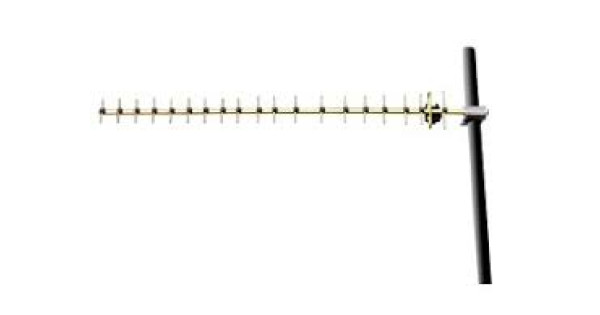
R12/1900–2170 gold for fixed antenna line: range of apparatus, direction, mast and stored cable.
Request KP for R12/1900–2170 gold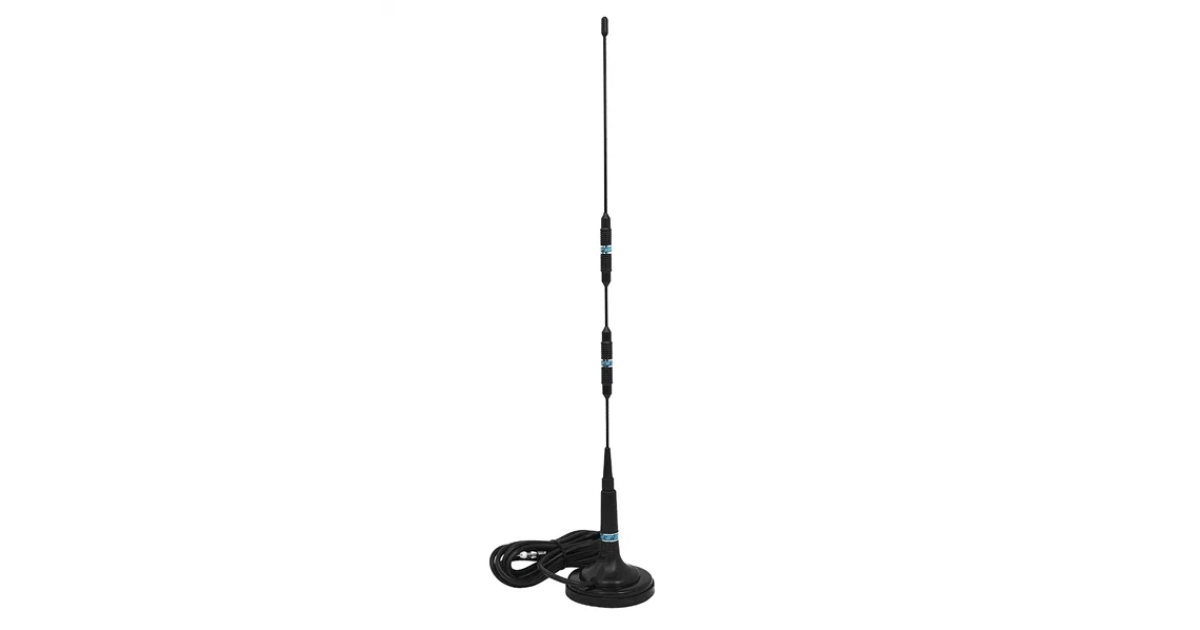
Antey 901 SMA for cellular terminal: location selection on a metal surface, connector configuration and program exchange check.
Request the PC on Antey 901 SMA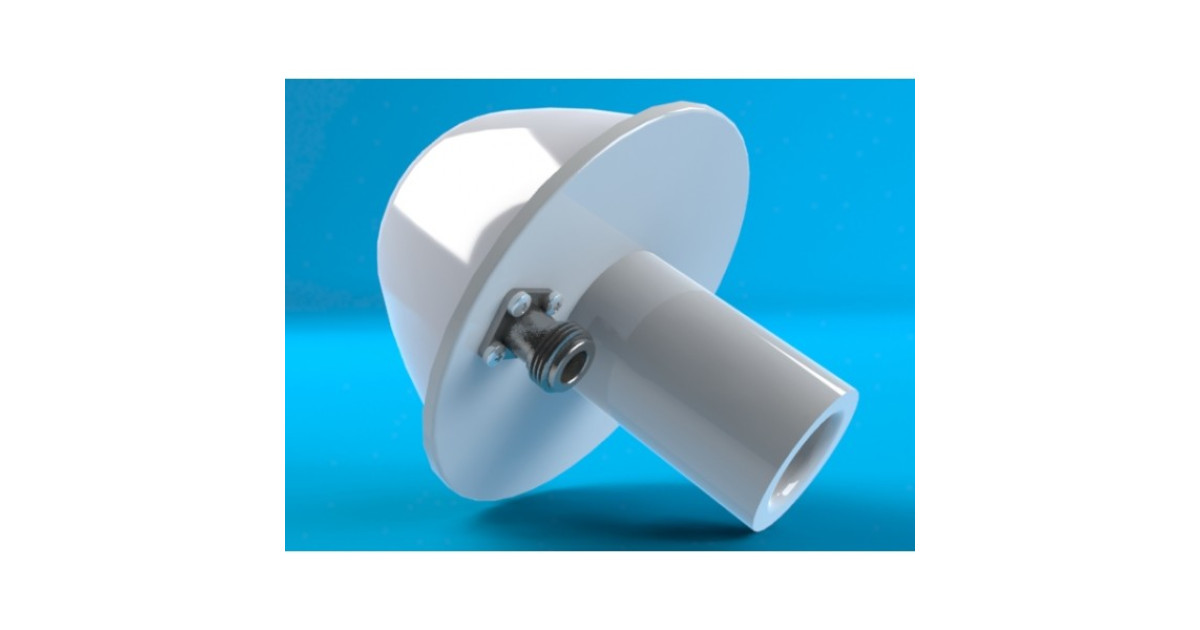
MiG offset 3G 2.0-10 for cellular line: reflector, antenna feed mount, cable to modem and check available 3G service.
Request the PC for MiG offset 3G 2.0-10Object data, cellular terminals and antenna lines

Integra-TR for data exchange of pumping objects: a list of measurements, readiness of controllers, work cycles and reception of the dispatch channel.
Request KP on Integra-TR 242-4018-630Integra-TR in the project of collecting readings: the roles of counters and hubs, interfaces, a full set of data and checking reading from the control room.
Request KP on Integra-TR 242-4018-630Radio channel of the agricultural site: measurement sources, small messages and volumetric unloading, seasonal changes in the object and the composition of the modem set.
Request KP on Integra-TR 242-4018-630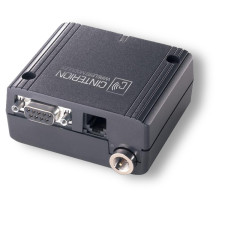
MC52iT while maintaining the existing notification system: 2G/GPRS, serial interface, software management and actual operation of the selected operator.
Request the CPU on the Cinterion MC52iT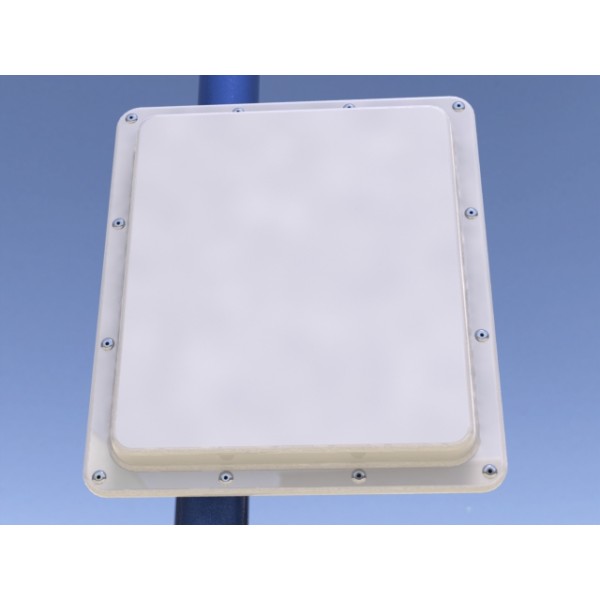
MIG WIMAX Panel 2.6-14 as part of the object radio line: marking of active equipment, connectors, stored cable and a separate mounting sheet.
Require the IP for MIG WIMAX Panel 2.6-14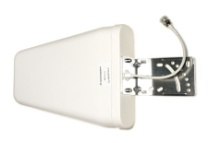
AL-800/2700-8 when replacing the external antenna: modem model, configuration, cable and connectors, actual composition and inspection of the object.
Request KP on AL-800/2700-8Why a dedicated channel, not a cellular network
Cellular channel is convenient while it is. On a well bush, in a quarry or on a linear object, the coating is kept on one base station, and its overload or accident leaves telemetry without communication. The dedicated radio channel belongs to you: it is not occupied by other people’s traffic, and its operation does not depend on other people’s infrastructure and tariffs.
Range 150–174 MHz
This is a classic site for telemetry over long distances. The wave is longer than in UHF, so the signal is better over open terrain and more tolerant to terrain. Payback: Larger antennas and more stringent installation requirements.
Speed versus range
In a radio channel, this is always an exchange: the higher the speed, the wider the bandwidth and the worse the sensitivity of the receiver. For telemetry, this is a profitable exchange: packets are small, and a slower channel with a longer range is almost always preferable to a fast channel that breaks at the distance limit.
Antenna solves more than power
Raising an antenna a few meters or putting a directional one instead of a pin is cheaper and more efficient than increasing the transmitter power. Point-to-point directional antenna on both sides provides a reserve that saves in the rain and wet snow.
What to clarify before selection
- distance and relief between points, whether there is direct visibility;
- How many objects are surveyed and how often;
- package size and allowable delay;
- interface from the controller;
- power supply at a remote point and winter temperatures
- Frequency registration – you need to get the channel, not choose yourself.
Typical editing errors
- the antenna is fixed to the metal structure closely - the diagram is distorted;
- a long thin cable instead of a short track with normal cross-section;
- There is no lightning protection on the mast;
- power supply without a margin for peak transmission current.
How to check the channel after installation
They do not look at “there is a connection or not”, but the reserve by signal level and the share of lost packets per day. The channel, working without stock, will perform well in the summer, and in the first snowfall will begin to lose data.
See also.
Replacing Integra-TR: buying a modem for an existing networkSelection of Integra-TR for replacement: old device code, channel, version, COM cable, power supply and verification program. Photo and purchase of a radio modem.
Spare Integra-TR modems: purchasing for a telemetry networkHow to order spare Integra-TR for several objects: configuration map, node roles, accessories, verification and accounting of backup devices.
Radio modem or cellular service for telemetry: comparing cost and reliability
Polling sites over a radio link: how many points can one channel serve?
Buy Integra-TR 242-4018-630: frequencies, COM interfaces and kit contents
Repeater of two Integra-TRs: how to close the dead zone of telemetry
Integra-TR for SCADA: COM interfaces, the controller and data-transfer testing
Powering Integra-TR: a DC supply, Sleep mode and the polling cycle
MIG WIMAX Panel 2.6-14: a guide to the panel antenna
4G at a remote site: turning a weak signal into a stable connection
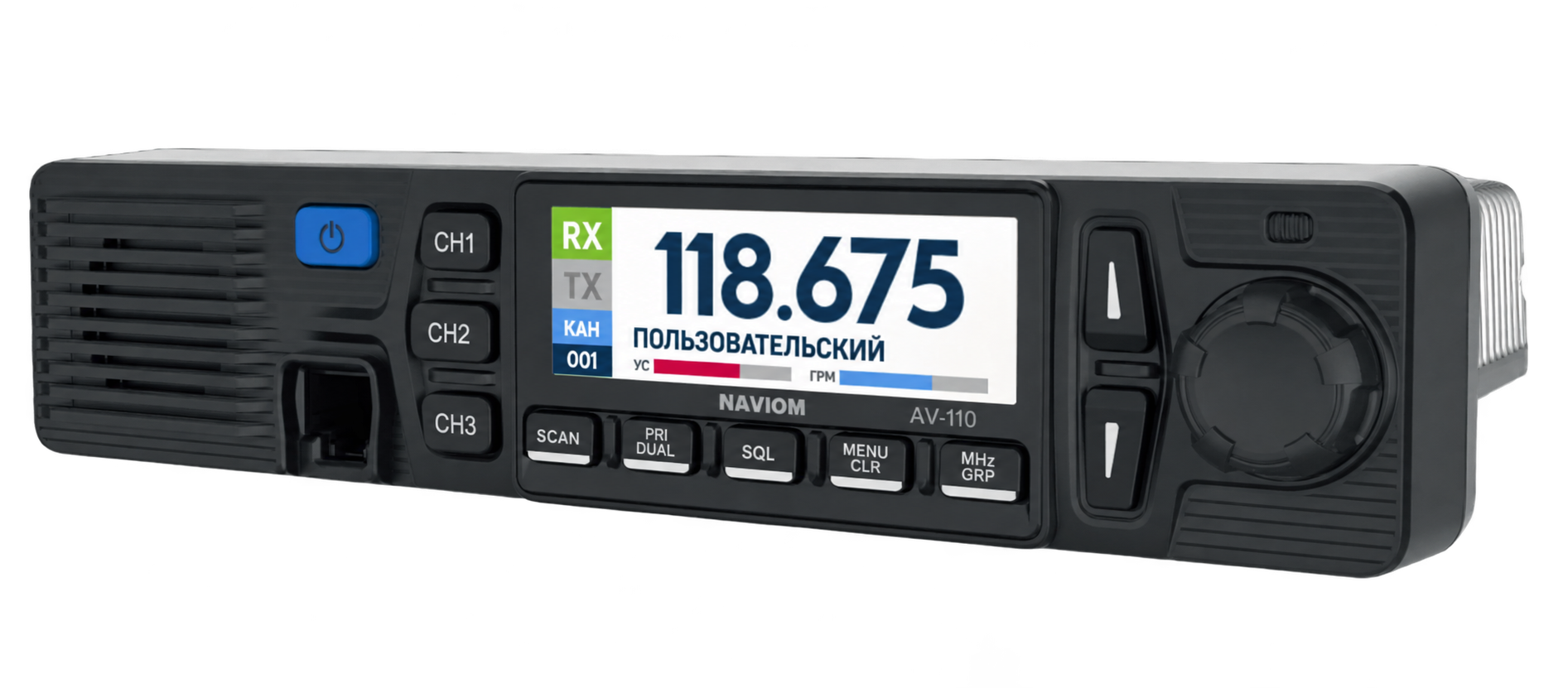
Several AV-110 radios in one fleet: coordinating operating positions and channels
Gamma-100: 24 V power and navigation data at an industrial site